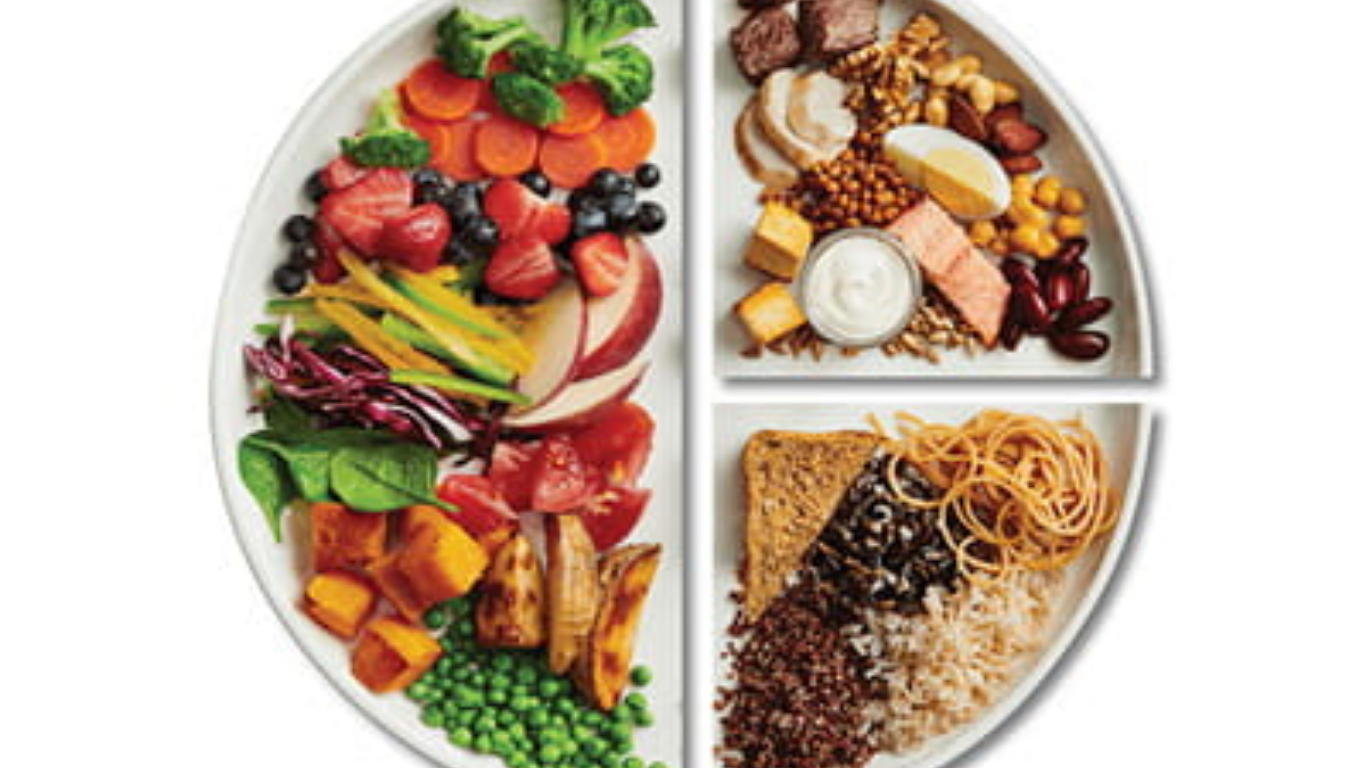
Healthy eating habits are the foundation of a strong body, a sharp mind, and a balanced life. In today’s fast paced world, many people rely on processed foods, sugary drinks, and irregular meal timings, which can lead to various health problems. Adopting healthy eating habits does not mean strict dieting or giving up favorite foods. Instead, it involves making smart, consistent food choices that nourish the body and support long term health. This article explores the importance of healthy eating habits, their benefits, and practical ways to develop them in daily life.
Understanding Healthy Eating Habits
Healthy eating habits refer to consuming a balanced diet that provides all essential nutrients in the right proportions. These habits focus on variety, moderation, and consistency rather than restriction. A healthy diet supports physical growth, boosts immunity, improves mental health, and reduces the risk of chronic diseases. Healthy eating is not the same for everyone. Age, gender, activity level, and health conditions influence individual nutritional needs. However, the core principles remain the same for all.
Importance of Healthy Eating Habits
Healthy eating habits play a crucial role in maintaining overall health. They help:
-
Maintain a healthy body weight
-
Improve digestion and metabolism
-
Strengthen the immune system
-
Reduce the risk of heart disease, diabetes, and obesity
-
Improve energy levels and mood
Good nutrition also supports healthy skin, hair, and strong bones, contributing to a better quality of life.
Start Your Day with a Nutritious Breakfast
Breakfast is often called the most important meal of the day. A healthy breakfast provides energy after a long overnight fast and helps regulate blood sugar levels.
Components of a Healthy Breakfast:
A balanced breakfast should include:
-
Whole grains such as oats or whole wheat bread
-
Protein sources like eggs, yogurt, or nuts
-
Fresh fruits or vegetables
-
Healthy fats in small amounts
Skipping breakfast can lead to overeating later in the day and reduced concentration.
Eat a Balanced and Varied Diet
Include All Food Groups:
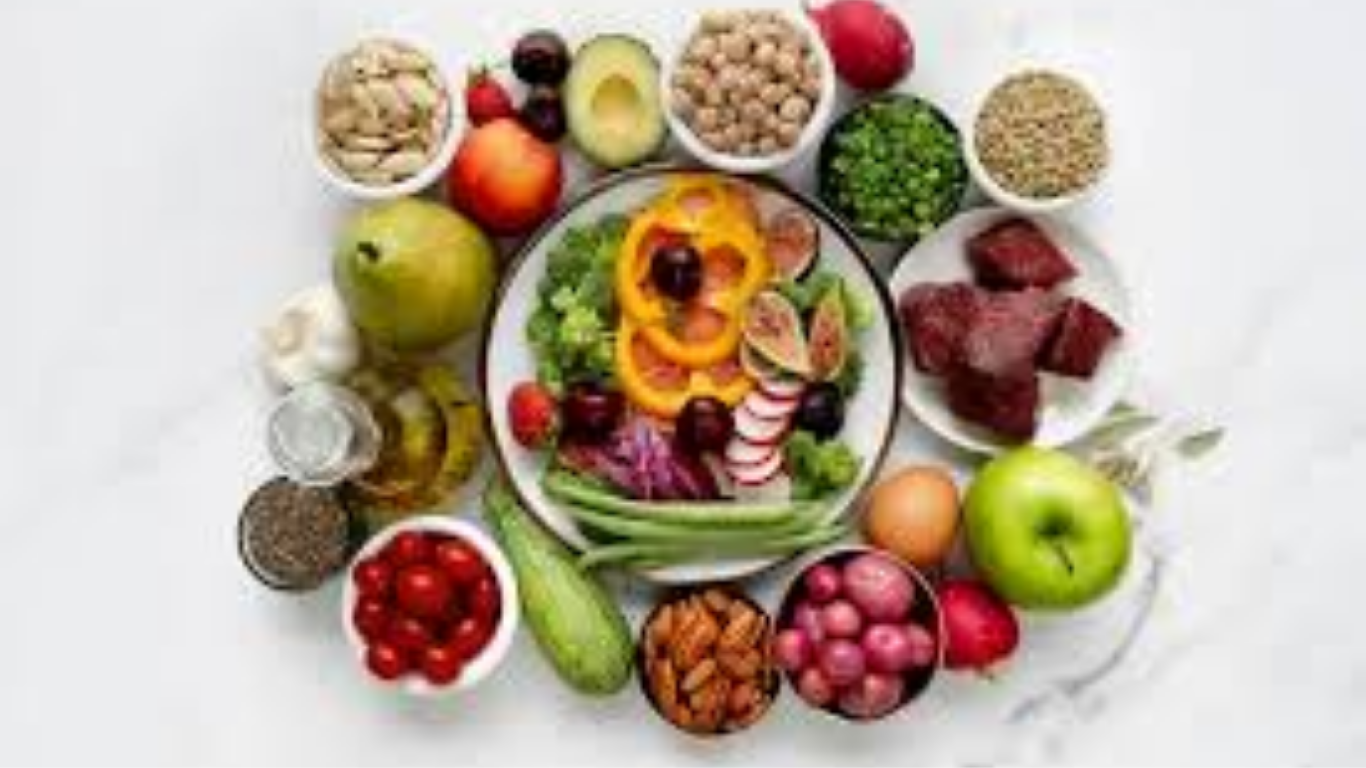
A healthy diet includes foods from all major food groups:
-
Fruits and vegetables: Rich in vitamins, minerals, and fiber
-
Whole grains: Provide energy and support digestion
-
Protein sources: Build and repair body tissues
-
Healthy fats: Support brain and heart health
Eating a variety of foods ensures that the body receives all necessary nutrients.
Focus on Portion Control:
Even healthy foods can cause weight gain if eaten in large quantities. Portion control helps maintain balance and prevents overeating. Eating slowly and paying attention to hunger cues can improve digestion and satisfaction.
Increase Intake of Fruits and Vegetables:
Fruits and vegetables are essential for healthy eating habits. They are low in calories and high in nutrients that protect the body from diseases.
Benefits of eating fruits and vegetables include:
-
Improved digestion
-
Reduced inflammation
-
Lower risk of chronic illnesses
-
Enhanced immune function
Aim to include different colors of fruits and vegetables in your meals for maximum nutritional benefits.
Choose Whole Grains Over Refined Grains:
Whole grains such as brown rice, whole wheat bread, and oats are healthier than refined grains. They contain more fiber, vitamins, and minerals, which help regulate blood sugar levels and promote digestive health. Replacing refined grains with whole grains is a simple yet effective step toward healthier eating.
Limit Sugar and Salt Intake
Reduce Added Sugars:
Excessive sugar consumption can lead to weight gain, tooth decay, and increased risk of diabetes. Avoid sugary drinks, sweets, and processed snacks as much as possible. Choose natural sources of sweetness, such as fruits, instead of refined sugar.
Control Salt Consumption:
High salt intake can increase blood pressure and the risk of heart disease. Limiting processed and packaged foods helps reduce excess salt intake. Using herbs and spices instead of salt adds flavor without health risks.
Stay Hydrated Throughout the Day:
Water is essential for all body functions, including digestion, circulation, and temperature regulation. Healthy eating habits include drinking enough water daily.
Benefits of proper hydration:
-
Improved digestion
-
Healthy skin
-
Better concentration
-
Detoxification
Aim for at least 8 10 glasses of water per day, adjusting based on activity level and climate.
Healthy Eating Habits for Weight Management
Healthy eating is not about extreme dieting. Sustainable weight management comes from consistent, balanced eating habits.
Tips for maintaining a healthy weight:
-
Eat regular meals
-
Avoid late-night snacking
-
Choose nutrient-dense foods
-
Practice mindful eating
Combining healthy eating with physical activity enhances long term results.
Importance of Protein in the Diet:
Protein is essential for muscle growth, tissue repair, and immune function. Including adequate protein in your diet helps keep you full and supports metabolism.
Healthy protein sources include:
-
Lean meats
-
Fish
-
Eggs
-
Beans and legumes
-
Dairy products
Balancing plant and animal protein sources provides diverse nutrients.
Healthy Snacking Habits:
Snacking can be part of a healthy diet if done wisely. Instead of processed snacks, choose healthier options such as:
-
Fresh fruits
-
Nuts and seeds
-
Yogurt
-
Whole-grain crackers
Healthy snacks help maintain energy levels and prevent overeating during meals.
Mindful Eating Practices:
Mindful eating involves paying attention to what and how you eat. It helps develop a healthier relationship with food.
Key mindful eating practices include:
-
Eating without distractions
-
Chewing food thoroughly
-
Listening to hunger and fullness signals
Mindful eating improves digestion and reduces overeating.
Healthy Eating Habits for Long Term Health:
Healthy eating habits developed early in life have long term benefits. Teaching children the importance of balanced nutrition helps them grow into healthy adults. For adults, maintaining healthy eating habits supports aging, reduces disease risk, and improves overall well being.
Overcoming Common Challenges:
Busy schedules, stress, and limited access to healthy foods can make healthy eating challenging. Planning meals, preparing food at home, and making gradual changes help overcome these obstacles. Consistency is more important than perfection. Small improvements lead to lasting results.
Conclusion:
Healthy eating habits are a powerful tool for improving physical, mental, and emotional health. By choosing balanced meals, staying hydrated, practicing portion control, and being mindful of food choices, anyone can build a healthier lifestyle. Healthy eating is not about restriction it is about nourishment, balance, and sustainability. Start with small steps, stay consistent, and enjoy the journey toward better health through healthy eating habits.more info…