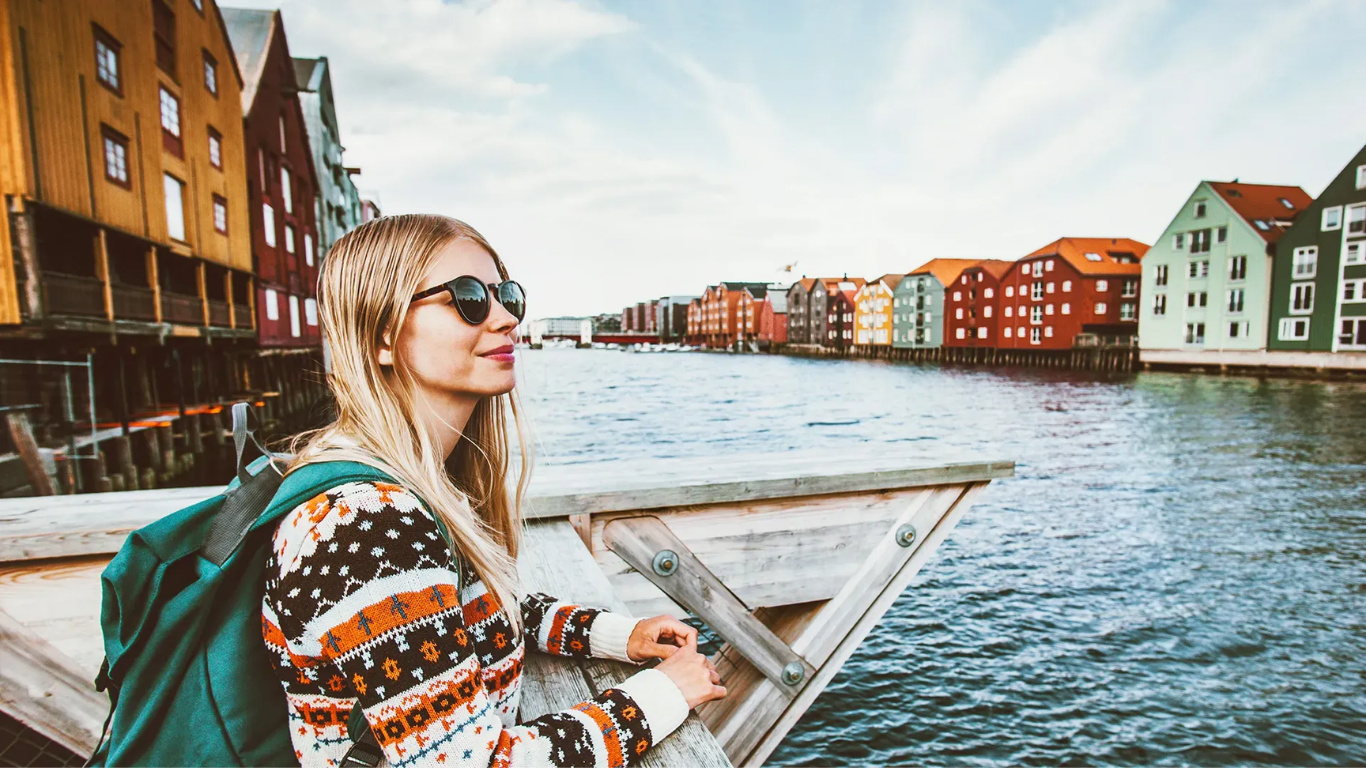
Solo travel has become one of the fastest growing trends in modern tourism. More people than ever are packing their bags and heading out alone not because they have no one to travel with, but because they want to experience the world independently. Traveling solo offers freedom, self discovery, and unforgettable experiences that group travel often cannot provide. However, it also comes with unique challenges that require preparation and awareness.This article explores everything you need to know about solo travel from its benefits and challenges to practical tips for safety, budgeting, and making the most of your journey.
What Is Solo Travel
Solo travel simply means traveling alone, without friends, family, or organized tour groups. It does not mean being lonely. In fact, solo travelers often meet more people than those traveling in groups because they are more open to interaction.
Solo travel can involve:
-
A weekend trip to a nearby city
-
A long international journey
-
Backpacking across countries
-
Solo business or digital nomad travel
The core idea is independence making your own choices about where to go, what to do, and how long to stay.
Why People Choose Solo Travel
Freedom and Flexibility:
When you travel alone, every decision is yours. You can wake up early or sleep in, change plans at the last minute, or spend hours exploring one place without compromise.
There’s no need to:
-
Adjust to someone else’s schedule
-
Debate where to eat
-
Rush through experiences
This flexibility allows you to travel at your own pace and follow your instincts.
Personal Growth and Self Discovery:
Solo travel pushes you out of your comfort zone. Navigating unfamiliar places alone builds confidence, independence, and problem solving skills.
Many travelers discover:
-
Increased self reliance
-
Better decision making abilities
-
Greater emotional strength
-
A deeper understanding of themselves
Facing challenges alone often leads to powerful personal growth.
Deeper Cultural Experiences:
Solo travelers are more likely to interact with locals and immerse themselves in local culture. Without familiar companions, you may:
-
Talk more with residents
-
Accept invitations more easily
-
Observe cultural details more closely
This often results in more authentic and meaningful experiences.
Opportunity to Meet New People:
Contrary to popular belief, solo travel does not mean isolation. Hostels, group tours, cafes, and local events provide endless opportunities to meet fellow travelers and locals.Many lifelong friendships begin on solo trips.
Challenges of Solo Travel
While solo travel is rewarding, it also has challenges that should not be ignored.
Safety Concerns:
Safety is one of the biggest concerns for solo travelers, especially for first-timers. Traveling alone means you must be extra alert and responsible for your own well being.
Risks can include:
-
Theft or scams
-
Getting lost
-
Health emergencies
Proper planning and awareness significantly reduce these risks.
Loneliness at Times:
Even confident solo travelers can experience moments of loneliness, especially during:
-
Long journeys
-
Evenings
-
Holidays
Learning to enjoy your own company and staying connected with loved ones helps overcome this.
Higher Costs:
Traveling alone can sometimes be more expensive because:
-
You pay full price for accommodations
-
Transportation costs aren’t shared
However, smart budgeting and planning can minimize these expenses.
How to Prepare for Solo Travel
Choose the Right Destination:
For first-time solo travelers, choosing the right destination is crucial. Look for places that are:
-
Safe and traveler-friendly
-
Easy to navigate
-
Known for welcoming tourists
Popular solo travel destinations include Japan, Thailand, Portugal, New Zealand, and many European cities.
Research Thoroughly:
Before leaving, research:
-
Local customs and culture
-
Transportation options
-
Common scams
-
Emergency contacts
Knowing what to expect builds confidence and reduces anxiety.
Plan but Stay Flexible:
Have a basic plan including:
-
Accommodation
-
Transportation
-
Key attractions
But leave room for spontaneity. Some of the best travel moments happen unexpectedly.
Safety Tips for Solo Travelers
Safety should always be a top priority.
Trust Your Instincts:
If something feels wrong, it probably is. Avoid situations or people that make you uncomfortable.
Keep Important Documents Secure:
-
Make copies of your passport and ID
-
Store digital copies online
-
Use a money belt or hidden pouch
Stay Connected:
-
Share your itinerary with someone you trust
-
Check in regularly
-
Keep your phone charged
Be Aware of Your Surroundings:
Avoid distractions such as excessive phone use in unfamiliar areas. Stay alert, especially at night.
Budgeting for Solo Travel

Set a Realistic Budget:
Include:
-
Accommodation
-
Food
-
Transportation
-
Activities
-
Emergency funds
Choose Budget Friendly Accommodations
Options include:
-
Hostels
-
Guesthouses
-
Budget hotels
-
Homestays
Hostels are especially popular among solo travelers because they encourage social interaction.
Eat Like a Local:
Street food and local restaurants are often cheaper and more authentic than tourist spots.
Packing Tips for Solo Travelers
Pack Light:
Carrying heavy luggage alone can be exhausting. Stick to essentials and versatile clothing.
Bring Safety Essentials:
Consider packing:
-
First-aid kit
-
Portable charger
-
Travel locks
-
Emergency contacts list
Dress Appropriately:
Respect local culture by dressing modestly where required. This also helps you blend in and avoid unwanted attention.
Making the Most of Solo Travel
Embrace Alone Time:
Learn to enjoy moments alone reading in a café, walking through a city, or watching a sunset. These quiet moments often become the most memorable.
Try New Things:
Say yes to experiences you might avoid at home:
-
Local food
-
Cultural events
-
Adventure activities
Solo travel is the perfect time to explore new interests.
Join Group Activitie:
Free walking tours, cooking classes, or day trips allow you to socialize while maintaining independence.
Document Your Journey:
Keep a journal, blog, or photo diary. Writing about your experiences helps you reflect and preserve memories.
Solo Travel for Different Types of Travelers
Solo Travel for Women:
Women traveling alone should take extra precautions but should not feel discouraged. Millions of women travel solo safely every year.
Key tips:
-
Research women friendly destinations
-
Dress modestly when needed
-
Avoid sharing personal details with strangers
Solo Travel for Introverts
Solo travel can be ideal for introverts because it allows control over social interaction. You can choose when to socialize and when to enjoy solitude.
Solo Travel for First Timers
Start small:
-
Choose a short trip
-
Visit a nearby country or city
-
Stay in social accommodations
Confidence grows with experience.
Conclusion:
Solo travel is more than just a way to see new places it is a journey into self confidence, independence, and personal growth. While it comes with challenges, proper planning, awareness, and an open mindset can turn those challenges into valuable lessons.Traveling alone teaches you to trust yourself, adapt to new situations, and appreciate the world in a deeper way. Whether you’re seeking adventure, self discovery, or simply a break from routine, solo travel offers a unique and powerful experience.If you’ve ever dreamed of exploring the world on your own terms, there’s no better time to start. Pack your bags, trust yourself, and step into the adventure of solo travel.more info…